
Angelus and Pavie
In March 2014 we wrote a note entitled “Right Bank Shuffle” in which we highlighted the varying attractions of the main four St Emilion wines. Robert Parker recently conducted a “mini vertical” of Angelus and Pavie, so as well as highlighting the results and consequences we thought it might be instructive to see how our recommendations from last year’s note have performed.
The key points from the Parker tasting and subsequent re-appraisal follow below, but it is worth noting at this stage that prices have not yet reacted, so any switch recommendations are valid as of today although we might well see price movement over the coming days.
Pavie 1999: 95 pts down to 92 pts.
Pavie 2003: 99 pts down to 96 pts.
Pavie 2010: 98+ pts up to 100 pts.
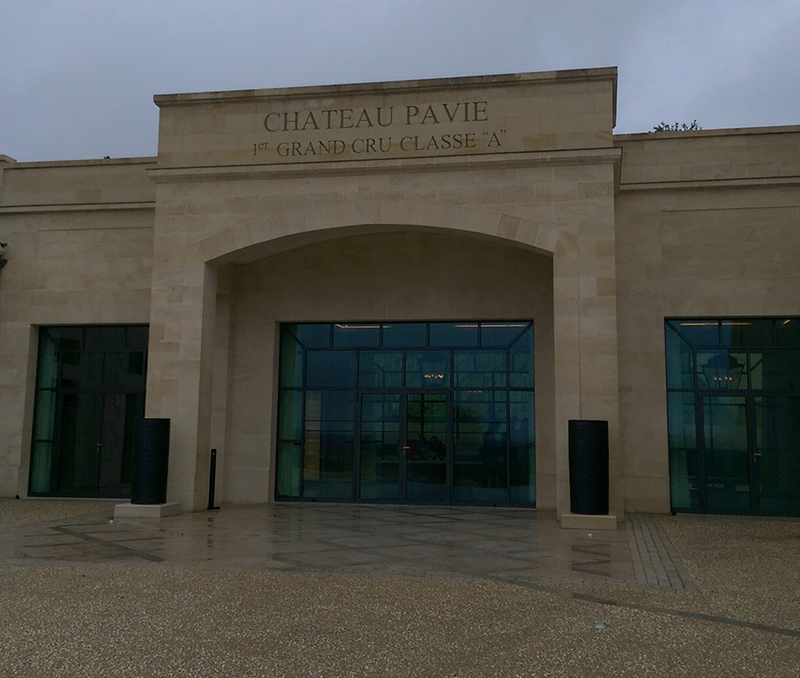
Pavie 2003 is disappointing as we have several holders of this wine, but as since the price has not reacted it is worthwhile considering switching, particularly into the 2010. The 2010 now matches the 2009 for quality and score, yet currently trades at a modest discount. There is no reason for this discount not to close. The 100 pointer from 2005 also trades at a 25% premium, having responded so vigorously to upgrades in the recent Parker retrospective of that year.
Buy Pavie 2010.
Angelus 1998: 93 pts up to 96 pts.
Angelus 2000: 97 pts up to 99 pts.
Angelus 2001: 93 pts up to 97 pts.
Angelus 2010: 98 pts up to 99+ pts.
The key point about the Angelus regrades is that they are ALL upgrades, however it is still the case, as we highlighted in our March 2014 note and as rehearsed by Liv-ex just now, that Pavie has the higher average grades over the last 15 years, yet trades at a discount to its Angelus equivalents.
In general, therefore, we tend to prefer Pavie over Angelus, however it is worth highlighting that the 99+ point Angelus 2009 and 2010 vintages are likely trading at too steep a discount at 30% to the 100 point 2005.
We are therefore strong buyers of Pavie 2010, but remain buyers of Pavie 2009, Angelus 2009, and Angelus 2010.
In our note of last year we pointed out certain pricing inconsistencies to which we thought some of the wines were exposed. Here is the performance record:
| Ausone | Sell recommendation. | Price then. | Price now. | ||||
| 2009 | £10,250 | £9,200 | |||||
| 2010 | £13,400 | £11,040 | |||||
| Buy recommendation. | |||||||
| 2003 | £8,400 | £7,200 | |||||
| 2005 | £10,500 | £11,000 | |||||
| 2007 | £3,600 | £3,400 | |||||
| Cheval Blanc | Sell recommendation. | ||||||
| 2007 | £3,850 | £2,900 | |||||
| 2009 | £6,800 | £6,500 | |||||
| 2010 | £8,300 | £7,400 | |||||
| Buy recommendation. | |||||||
| 2000 | £5,950 | £6,000 | |||||
| Pavie | Buy recommendation. | ||||||
| 2006 | £1,650 | £1,635 | |||||
| 2007 | £1,500 | £1,580 | |||||
| 2009 | £2,700 | £2,500 | |||||
| Angelus | Buy recommendation. | ||||||
| 2010 | £2,400 | £2,400 | |||||
Now clearly we constantly review all our recommendations, and although we can be reasonably happy with our analysis and suggestions from that note, the glaring blooper appears to be Ausone 2003. Yet nothing has changed in the fortunes of this wine. It is a perfect wine from a reasonable (90 point) vintage. It trades at an astonishing discount to other high-scoring Ausones. We have no reason at this point other than to be an increasingly strong buyer the cheaper it gets.